Betta Fish Care Guide – The Best Beginner Fish
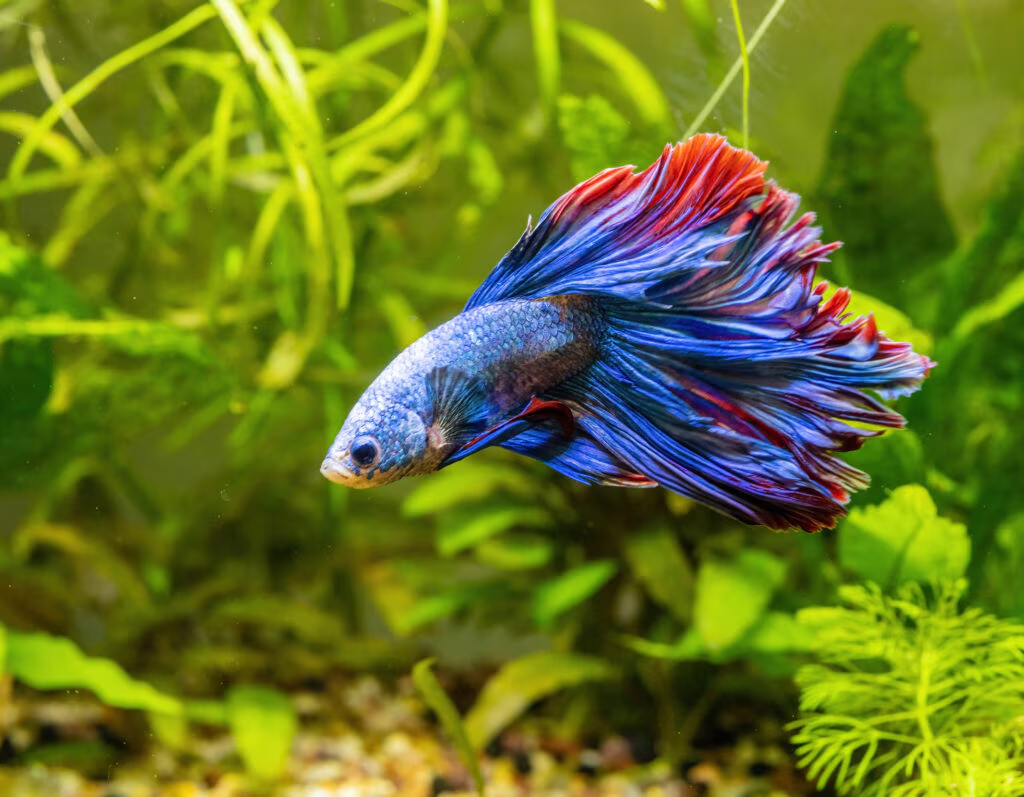
The betta is probably the most recognizable fish in this hobby, and it’s no coincidence that it wins so many people over at first sight. Those long, flowing fins, its almost theatrical movements through the tank, and the strong personality that quickly becomes apparent. All of this makes the betta one of the most rewarding fish to care for, especially for beginners. It’s also a fish shrouded in ancient myths like the famous saying: “a small bowl is enough” being the worst of them all. So, it’s worth debunking these myths before you bring one home.
The Origin of Betta Fish
Betta Fish, scientifically known as Betta Splendens, is native to wetlands and rice paddies in Southeast Asia. Those are environments with warm, shallow water that is sometimes low in dissolved oxygen. It was precisely this origin that gave it a unique characteristic among tank fish: an organ called the labyrinth, which allows it to breathe oxygen directly from the air at the surface, supplementing respiration through its gills. That’s why you see a betta regularly coming to the surface to “breathe”. This is completely normal behavior and not a sign of illness.
It is also a territorial fish, and male bettas, in particular, can be very aggressive toward other male bettas. This does not mean that they are naturally mean or stressed, far from it. Male bettas kept alone are usually calm and curious fish that recognize their owner and react to stimuli such as a finger moving outside the glass. Aggression only comes into play when another male betta is nearby, or in spaces that are too small, where there is no chance to escape conflict.
Tank Size
This is probably the most persistent and harmful myth in the entire hobby: the idea that a betta can thrive in a glass, a round bowl, or a tiny tank without a filter or heater. Nothing could be further from the truth. Bettas are active fish that enjoy exploring, swimming, and having space to move around, and spaces that are too small lead to chronic stress, rapidly deteriorating water quality, and a much shorter and unhappier life than this fish deserves.
The absolute minimum recommended is 20 liters, although 40 liters or more is clearly preferable and gives the betta enough space to swim, explore decorations and plants, and lead a much more stimulating life. A larger tank also offers an added benefit that many beginners overlook: a greater volume of water means more stable parameters, with fewer sudden fluctuations in temperature or water quality, which significantly reduces stress over time.
Water and Temperature Parameters
Bettas need heated water, something many people still don’t realize, thinking, “It’s just a little fish, it doesn’t need a heater.” The ideal temperature ranges from 24 to 28 degrees. Below that, the betta’s metabolism slows down significantly, leaving it lethargic, more susceptible to disease, and with a shorter life expectancy. An adjustable heater with a thermostat is practically a must, especially in homes where the room temperature fluctuates significantly throughout the year.
As for pH, bettas tolerate a range between 6.5 and 7.5 quite well, without much need for complicated adjustments in most cases when using regular tap water. Stability remains the most important factor: parameters that stay consistent week after week are worth much more than chasing a “perfect” number that then fluctuates wildly.
Filter
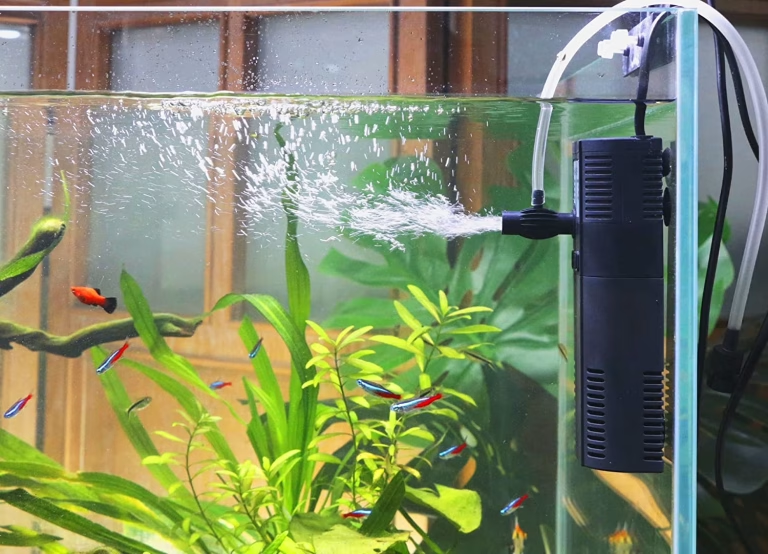
Yes, bettas need a filter, despite the old myth that says otherwise. What they really need is a filter with a gentle water flow, since their long, delicate fins struggle against strong currents, which can cause stress and even damage the fins over time. Internal filters with flow regulators are a great choice, allowing you to reduce the water flow to a level that’s comfortable for the fish.
If you notice that your betta spends most of its time fighting the current or hiding in a corner to avoid the flow, it’s worth reducing the filter’s power. You can also placing a pre-filter sponge over the outlet to break up the water’s force. The goal is always a gentle, almost lazy flow that keeps the water clean without turning the tank into a wave pool for your fish.
Betta Diet
In the wild, bettas are essentially carnivorous, feeding on small insects and larvae at the water’s surface. In captivity, a diet consisting of pellets specifically formulated for bettas and flakes typically yields the best results in terms of color, energy, and overall health. It’s best to avoid overfeeding: a betta’s stomach is about the size of its own eye, and it’s easy to overfeed without realizing it, which leads to digestive problems and dirtier water more often.
Fasting once or twice a week, without feeding the fish at all on those days, will help prevent digestive problems and is a common practice among experienced aquarists who keep this species.
Tankmates
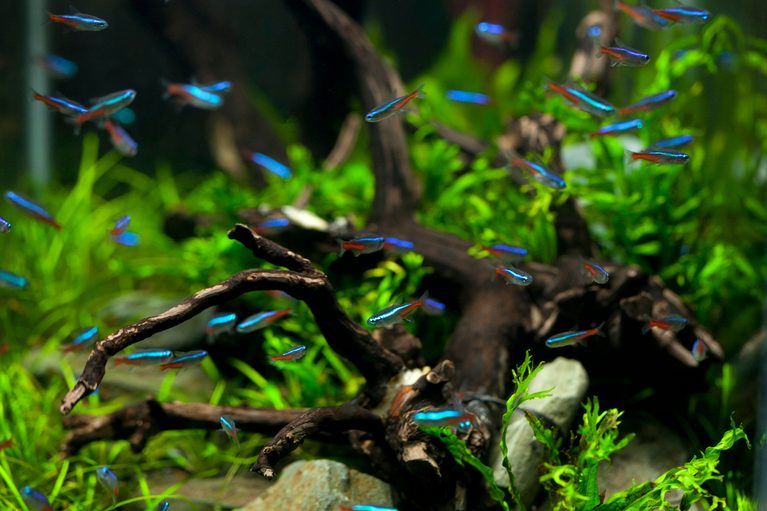
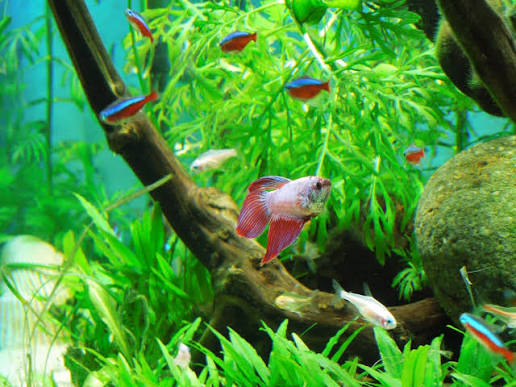
Male bettas should never share a tank with another male betta, on this there are no exceptions to this rule. When it comes to other species, compatibility depends largely on your betta’s individual personality, since some are much more tolerant than others. Corydoras, Cardinal Tetras, and some Amano Shrimp are usually relatively safe choices, although it’s always worth keeping a close eye on them during the first few weeks. Avoid species with long, colorful fins that could be mistaken for another betta, and also avoid fish known for fin-nipping, such as certain more active tetras.
Common Mistakes to Avoid
There are some mistakes that are so common among betta owners that they deserve special attention, so you don’t fall into the same traps.
Using aquariums that are too small, without a heater or filter. We’ve already talked about this, but it’s worth repeating: a glass or a bowl is not a suitable home; it’s a sentence to a short and stressful life for a fish that deserves much better.
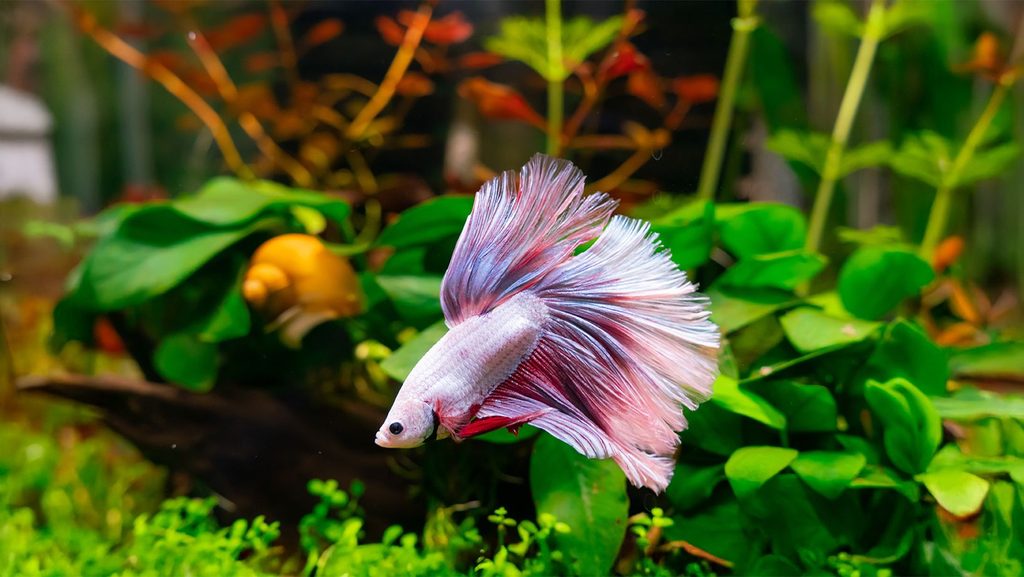
Ignoring the need for a resting spot near the surface. This is a less commonly discussed mistake, but one that is just as important. Since bettas need to rise to the surface regularly to breathe through their labyrinth organ, they often also like to have a comfortable spot near the water’s surface where they can rest effortlessly, rather than constantly having to swim up there. A broad-leaved plant attached with a suction cup near the surface usually sold specifically as a “betta leaf hammock” or “betta bed”, or even a broad-leaved plant like Anubias positioned higher up in the aquarium, provides exactly that resting spot. Without this type of support, some bettas become noticeably more agitated or expend extra energy staying near the surface, which leads to more stress over time.
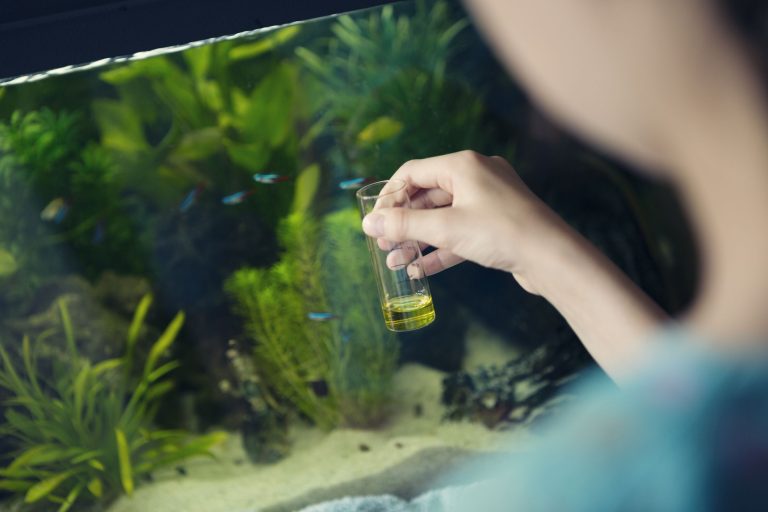
Irregular or absent water changes. Just like any other fish, bettas need regular water changes to keep the water clean and free of nitrate buildup, even in small tanks where it’s tempting to “forget” about maintenance for longer periods.
Excessively strong filter current. As mentioned above, but worth reiterating: long fins and strong currents don’t mix well, and the result is a stressed fish with potentially damaged fins.
Assuming that aggression is always a problem to be solved. Some owners try to house male bettas together, or bettas with fish that look very similar, and are then surprised by the conflict that ensues. Territorial aggression in male bettas is normal and expected. It is not a behavior that needs to be “corrected.”
Frequently Asked Questions
Can I keep two female bettas together?
Generally, yes, as long as the tank has enough space and plenty of decorations to block lines of sight, since females also establish a hierarchy among themselves, although less intensely than males.
Why does my betta often just stay near the surface?
It may simply be normal breathing behavior through the labyrinth, especially if there is a comfortable resting spot there, such as a leaf or plant. If you notice extreme lethargy or other associated signs of illness, it’s worth testing the water to rule out water quality issues.
How long does a Betta Fish live under good conditions?
With a suitable tank, stable water conditions, and a good diet, a betta typically lives between two and four years, though there are cases of well-cared-for bettas that live longer than this average.
Betta is a fish that really comes into its own when you provide the right conditions: enough space, warm and stable water, a filter with a gentle flow, and a quiet spot to rest near the surface. In return, you’ll be rewarded with one of the most characterful fish you’ll find in the entire hobby.
If you want to provide a comfortable resting spot near the surface for your Betta, you can check out this Betta Leaf Hammock by clicking the button below.