5 Critical Signs That Your Water Parameters Are Off (And How to Fix Them)
Fish can’t tell you that something is wrong, but they show it quite clearly once you learn to read the signs. Problems with water parameters are by far the most common cause of illness and death in community tanks, and the difference between a scare and a loss often lies in how quickly you recognize what’s happening. Here are the five signs you should never ignore, and what to do in each case.
1. Fish gasping at the surface
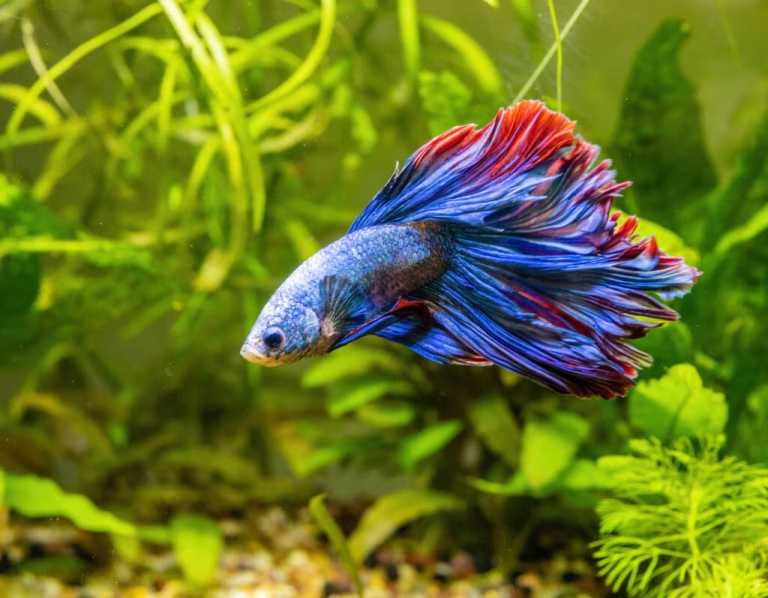
This is the most urgent sign of all, and the one that requires the most immediate action. If you see your fish gathered near the surface, with rapid, visible mouth movements, as if they were trying to breathe air, something is seriously wrong. Note an important exception: labyrinth fish, such as bettas and gouramis, naturally rise to the surface to breathe air, and this is no cause for alarm.
The most common causes are a lack of dissolved oxygen in the water, toxic levels of ammonia that burn the gills, excessively high temperatures (which reduce the water’s ability to retain oxygen), or excess CO2 in planted tanks with an injection system.
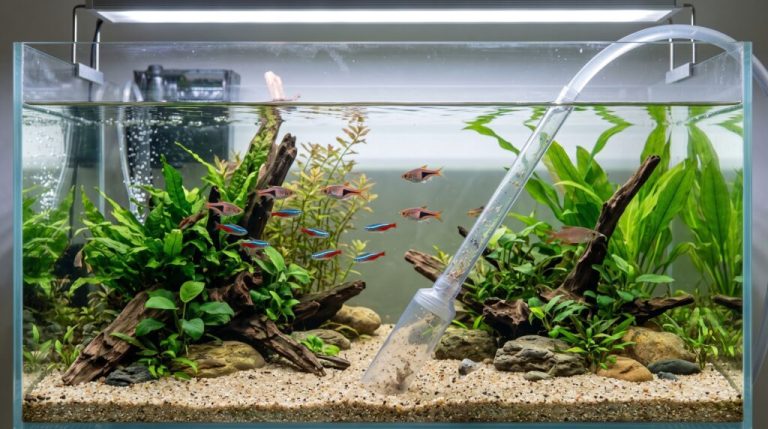
What to do: Immediately increase oxygenation by increasing surface agitation with the filter’s outflow or by turning on an air pump. Perform a partial water change of 30 to 40 percent using treated water at the same temperature. Test for ammonia, nitrite, and temperature as soon as possible. If you use CO2, turn it off until the situation stabilizes.
2. Clamped Fins
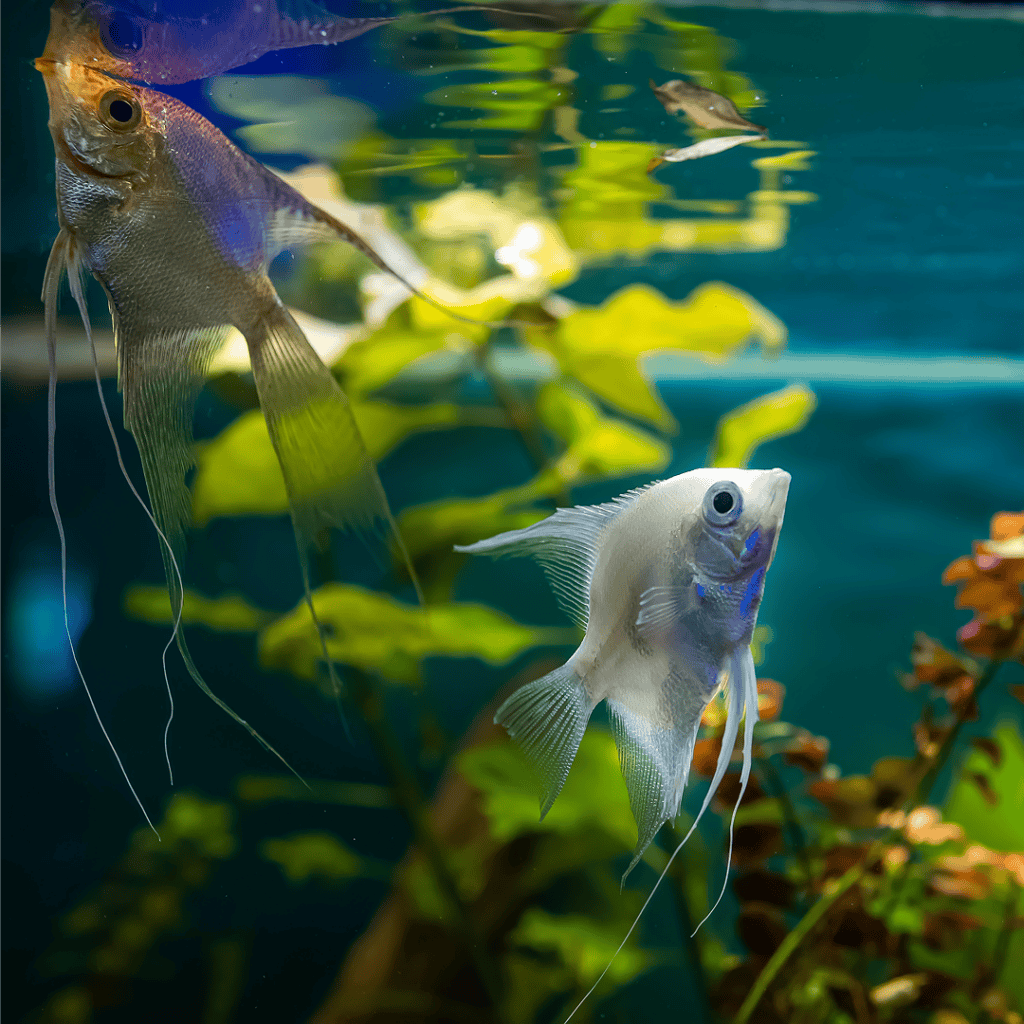
A healthy fish has fins that are spread out and constantly moving. When the fins are clamped against the body or have frayed, whitish tips, this indicates prolonged stress or chemical irritation from the water.
The most common causes are ammonia or nitrite in the water, high levels of accumulated nitrates, an unstable pH or one that is far from the appropriate range for the species, or the addition of new water without a conditioner.
What to do: Test for ammonia, nitrite, and nitrate immediately. Perform a partial water change of 25 to 30 percent using well-treated water. Check to see if the filter is operating at its normal flow rate, and review the amount of food you’ve been feeding them, since overfeeding is a common cause of water quality deterioration.
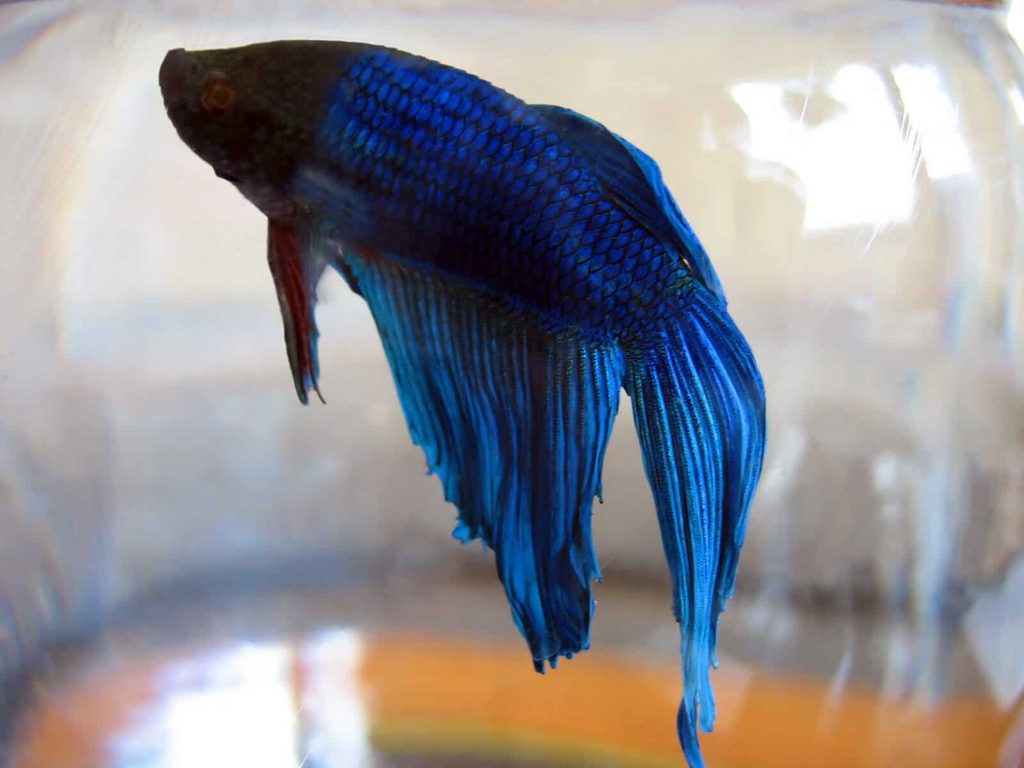
3. Lethargy and loss of appetite
Fish that spend the day motionless on the bottom, hidden behind the decorations, or that ignore their food when they used to eagerly seek it out, are telling you that something has changed. Lethargy rarely occurs on its own, and it’s usually accompanied by other signs on this list.
Common causes include temperatures outside the appropriate range (especially water that is too cold), toxin buildup, sudden fluctuations in water parameters following a poorly performed water change, or stress caused by incompatible tankmates.
What to do: Check the temperature with a reliable thermometer, since malfunctioning heaters are more common than you might think. Test the key parameters. Observe the behavior of the other fish to determine whether the problem affects the entire tank or just one fish, which would suggest disease rather than poor water quality.
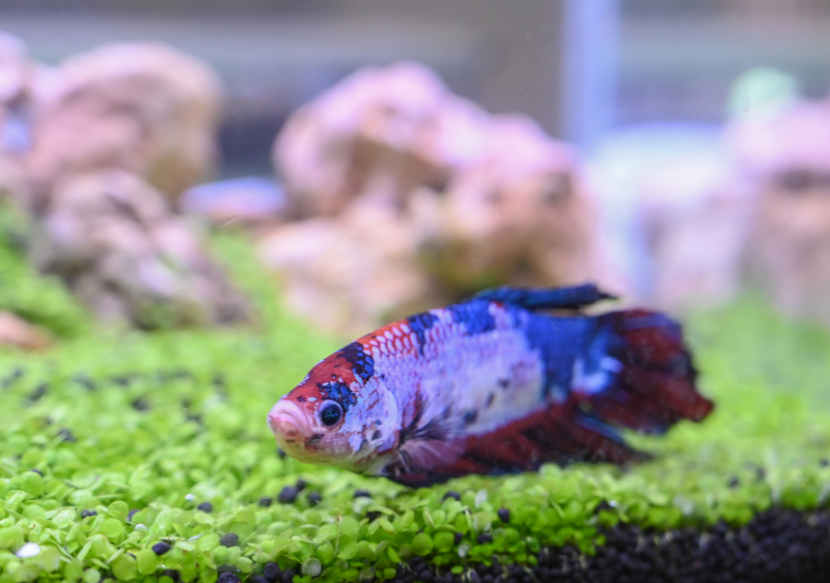
4. Erratic swimming or loss of balance
Fish that swim in circles, rub themselves against the tank decorations and substrate, dart abruptly from side to side, or have difficulty maintaining the correct position are clearly in distress. Rubbing against surfaces is a particularly telling sign and indicates irritation of the skin and gills.
The most common causes are chlorine or chloramine in the water, the addition of untreated tap water, sudden spikes in ammonia or nitrite levels, abrupt changes in pH, or external parasites, which often appear precisely because poor water quality has weakened the immune system.
What to do: Perform a partial water change of 30 percent using properly treated water at the correct temperature. Make sure you used conditioner during the last water change. Test for ammonia, nitrite, and pH. Examine the fish’s body for white spots, patches, or excess mucus, which could indicate parasites contributing to the problem.
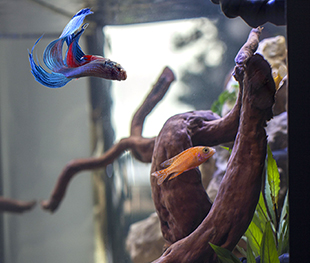
5. Dull color or spots on the body
A loss of color intensity is one of the most subtle and easily overlooked signs, precisely because it occurs gradually. A fish that was once vibrant and now appears faded is almost always suffering from chronic stress. Reddish spots, whitish patches, or excessive mucus on the skin support this diagnosis.
Common causes include nitrates that have built up due to a lack of regular water changes, ongoing stress caused by incompatible tankmates or insufficient space, and a slow decline in water quality that went unnoticed for weeks.
What to do: Test for nitrates, which are precisely the parameter that accumulates in the water without showing any visible signs. Resume a routine of regular partial water changes. Review the tank’s stocking density and the space available per fish. Improve their diet with a variety of high-quality foods, since color also depends on nutrition.
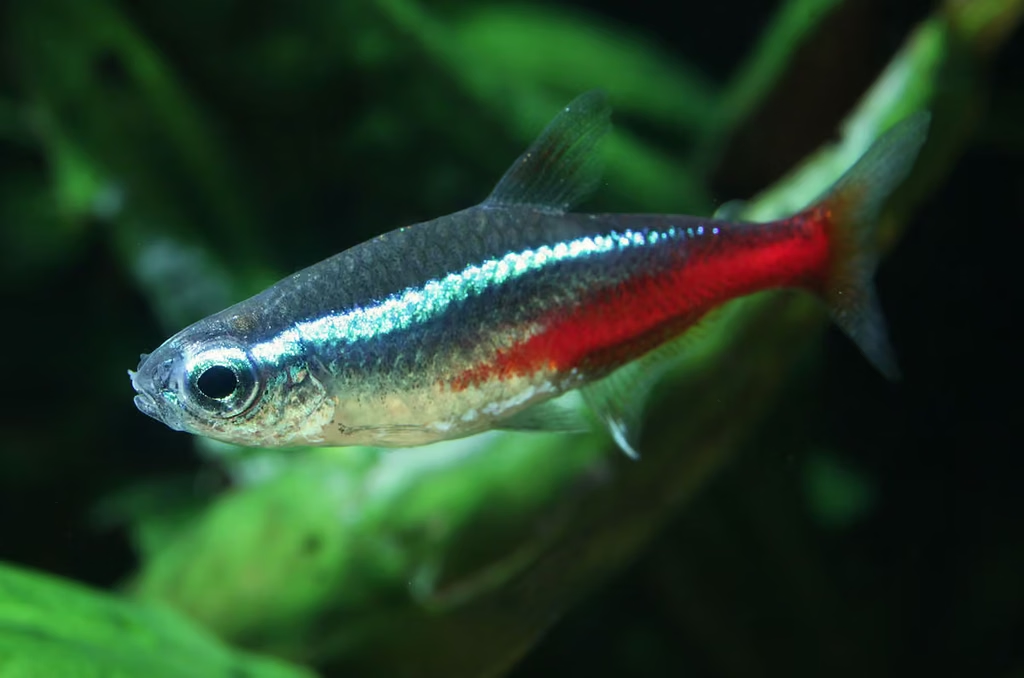
The minimum kit for diagnosis
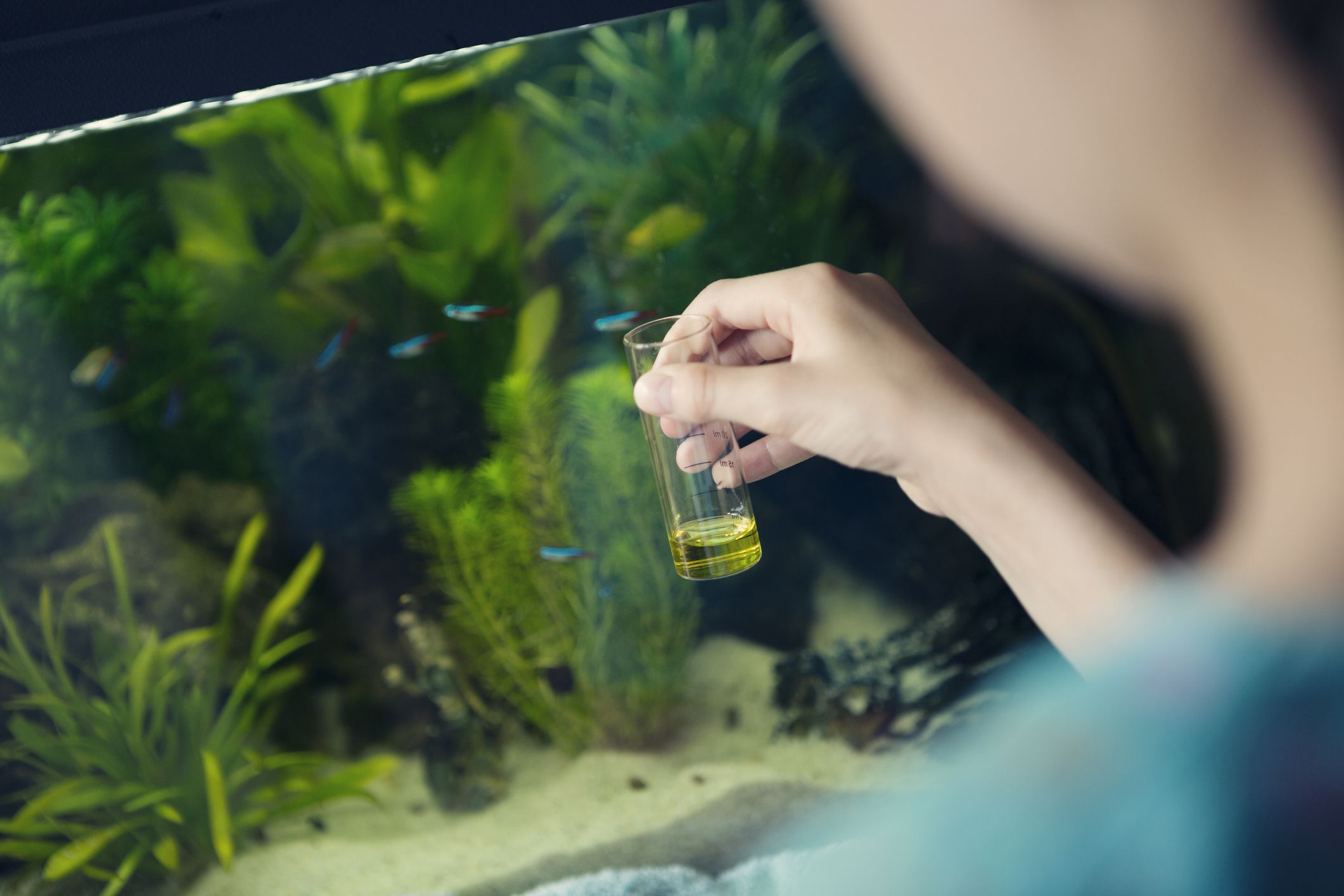
None of these signs tell you exactly what’s wrong, just that something is. To go from suspicion to certainty, you need to test the water. A liquid test kit that measures ammonia, nitrite, nitrate, and pH is the most useful investment you can make in this hobby, and it resolves doubts in minutes that would otherwise cost you fish.
Test strips are cheaper and faster, but much less accurate, especially at low ammonia levels, which are precisely the ones we’re most interested in detecting early, so keep that in mind.
Emergency Response: The Basic Protocol
When you’re not sure what’s going on and the fish are visibly suffering, there’s a set of steps that rarely fails as a first response. Perform a partial water change of 30 to 50 percent, always using water treated with a conditioner and at the same temperature as the tank. Increase the oxygenation of the water. Stop feeding for 24 to 48 hours, since stressed fish eat very little and uneaten food only makes the problem worse. Test the parameters as soon as possible to identify the specific cause.
These steps won’t solve everything, but they buy you time and reduce your suffering while you identify the underlying problem.
Frequently Asked Questions
The fish are fine, but the water is cloudy, should I be worried?
Cloudiness without any behavioral signs is rarely an emergency, although it’s always a good idea to test for ammonia and nitrite to rule out more serious causes.
How often should I test the water?
In an established, stable tank, once a month is usually enough. In a new tank, or whenever you notice any of these signs, test immediately.
Do all fish show the same signs at the same time?
Not always. More sensitive species react first, which is helpful because they serve as an early warning for the rest of the tank.
In short, learning to read your fish’s behavior is the most valuable skill you can develop in this hobby. The signs are always there before disaster strikes, and recognizing them early is what separates a solved problem from an avoidable loss.